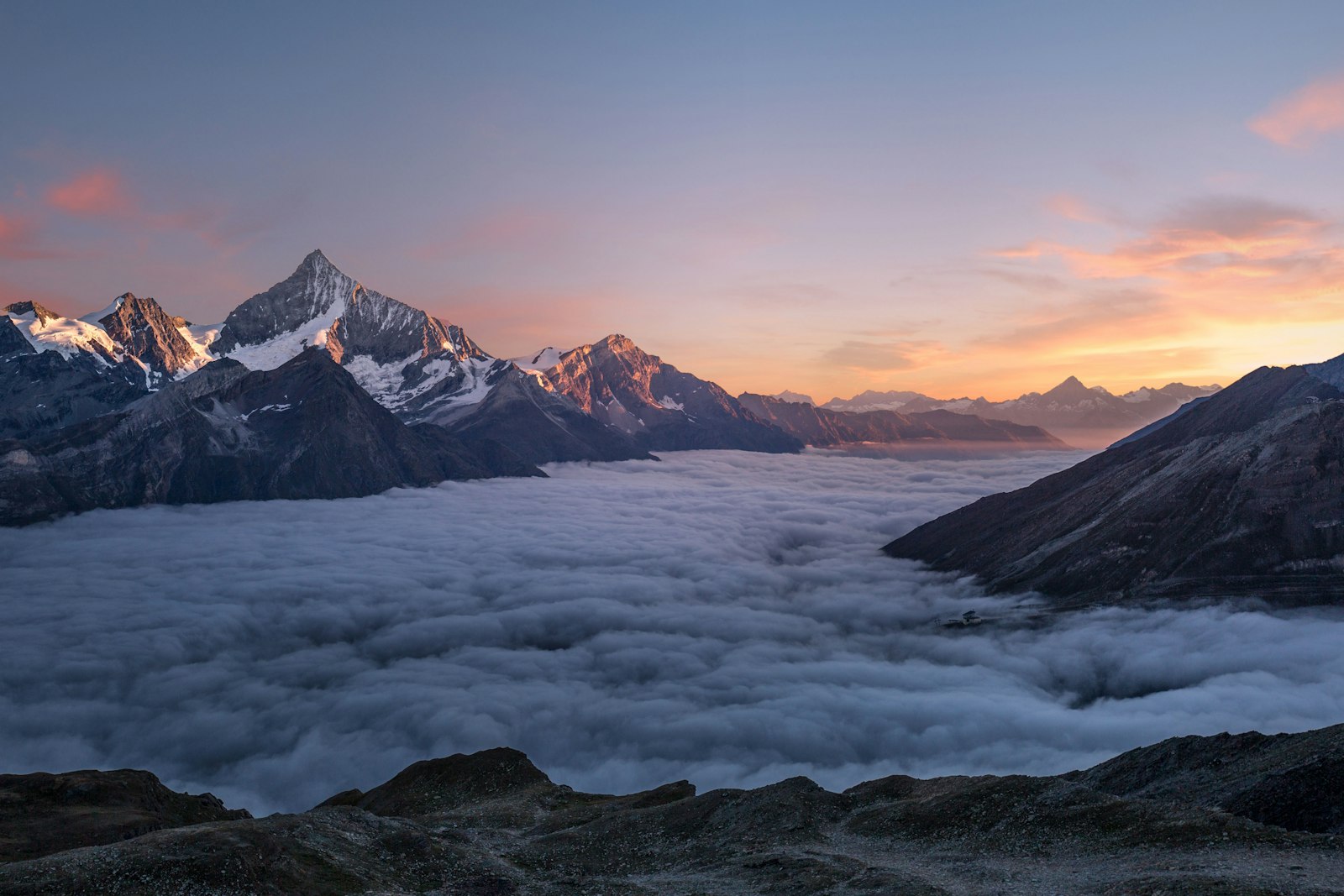
At 7,820 kilometres, the Trans-Canada Highway is the world's longest national highway — a ribbon of asphalt that connects the Pacific Ocean in Victoria, British Columbia with the Atlantic in St. John's, Newfoundland. Driving even a portion of it is one of the great North American adventures. Here is everything you need to plan yours.
Before You Go
A full coast-to-coast drive takes a minimum of 3 weeks, though 4–6 weeks allows you to actually stop and experience the country. Most travellers focus on one region or drive a section that suits their time and interests. The highway passes through every province (plus an optional ferry leg to Newfoundland) and offers dramatic landscape changes every few hundred kilometres.
The Route: Stage by Stage
Victoria & Vancouver, British Columbia
The Trans-Canada technically begins at the southern tip of Vancouver Island in Victoria — Canada's garden city with its British colonial architecture, whale watching, and stunning Inner Harbour. A BC Ferries crossing (1.5 hrs) brings you to the mainland and Vancouver — one of the world's most liveable cities, backed by mountains and facing the Pacific. Spend time in Gastown, Granville Island Market, Stanley Park, and the North Shore mountains.
- Victoria: Butchart Gardens, Fisherman's Wharf, Craigdarroch Castle
- Vancouver: Stanley Park, Granville Island, Capilano Suspension Bridge, Whistler day trip
Through the Fraser Canyon to the Rockies
Heading east from Vancouver, the Trans-Canada climbs through the dramatic Fraser Canyon — a route carved by the mighty Fraser River through walls of rock that rise hundreds of metres on either side. Continuing east through Kamloops and into the Shuswap Lakes region, the landscape shifts from temperate rainforest to semi-arid interior. The approach to the Rockies through Revelstoke and Rogers Pass is genuinely breathtaking.
- Hell's Gate: Dramatic narrows of the Fraser Canyon, accessible by airtram
- Revelstoke: Charming mountain town; gateway to Glacier National Park (BC)
- Rogers Pass: Historic mountain pass through the Selkirks, visitor centre tells the engineering story
- Golden: Whitewater rafting on the Kicking Horse River
Banff & the Canadian Rockies, Alberta
The Canadian Rockies represent the journey's visual centrepiece. Entering Banff National Park through Kicking Horse Pass, the highway passes the dramatic Castle Mountain and Lake Louise junction. The unmissable Icefields Parkway (Highway 93 — technically not the TCH but a must-do detour) runs 230 km north to Jasper through some of the most spectacular mountain scenery on Earth, passing the Athabasca Glacier, Bow Lake, and Peyto Lake.
- Lake Louise: The iconic turquoise lake — arrive before 8am to beat the crowds
- Moraine Lake: Book your shuttle or arrive by 6am — absolutely unmissable
- Icefields Parkway: Full day, budget 6–8 hours with stops
- Jasper townsite: Charming, less commercialised than Banff
The Prairies: Calgary to Winnipeg
Leaving the Rockies behind, the Trans-Canada enters Canada's vast prairies — the "Big Sky Country" where horizons stretch so far you can see weather systems forming hours before they arrive. This section is often skipped by time-pressed travellers, but it has a quiet, humbling beauty all its own. Calgary, with its vibrant food scene and proximity to Head-Smashed-In Buffalo Jump, is worth a day or two. Regina and Winnipeg anchor the prairie leg.
- Calgary: Stampede grounds, Kensington neighbourhood, National Music Centre
- Head-Smashed-In Buffalo Jump: UNESCO site — one of the world's oldest preserved bison hunting sites
- Moose Jaw: Historic tunnels, mineral spa
- Winnipeg: The Forks, Canadian Museum for Human Rights, Exchange District
Northern Ontario: The Shield
Northern Ontario is the longest and most challenging section of the Trans-Canada — over 1,500 km through the ancient Precambrian Shield, a landscape of boreal forest, Canadian Shield rock, and thousands of lakes. It is strikingly beautiful and surprisingly remote, with few large towns. Wawa, Sault Ste. Marie, and Thunder Bay break up the journey. The stretch along Lake Superior's North Shore is dramatic.
- Lake Superior Provincial Park: Superior's rugged north shore at its finest
- Sault Ste. Marie: Agawa Canyon train tour, Algoma Country
- Thunder Bay: Terry Fox Memorial, Fort William Historical Park
- Wawa: The giant Canada Goose statue — a classic road trip photo op
Southern Ontario & Quebec City
The Trans-Canada re-enters populated Canada around Sudbury, then funnels through Ottawa and Montreal. Ottawa, Canada's capital, deserves at least two days — the Parliament Buildings, Rideau Canal, and National Gallery are world-class. Montreal is a destination in itself — the most culturally vibrant city in Canada, with extraordinary food, nightlife, and architecture. Quebec City's walled old town is the only fortified city north of Mexico.
- Ottawa: Parliament Hill, ByWard Market, Rideau Canal (skating in winter)
- Montreal: Old Port, Mile End, St-Laurent Boulevard, Schwartz's smoked meat
- Quebec City: Old Quebec (UNESCO), Plains of Abraham, Château Frontenac
New Brunswick, Nova Scotia & the Maritimes
Atlantic Canada rewards travellers who make it this far. Fredericton and Moncton anchor New Brunswick; Halifax, Nova Scotia is a vibrant, walkable city with a powerful history and extraordinary seafood. The Cabot Trail in Cape Breton is one of the world's great scenic drives. The Bay of Fundy has the world's highest tides — worth timing a visit to watch the dramatic tidal bore.
- Bay of Fundy: Hopewell Rocks — walk on the ocean floor at low tide
- Halifax: The Citadel, Peggy's Cove Lighthouse, Historic Properties
- Cabot Trail, Cape Breton: 298 km loop — budget a full day minimum
- Lunenburg: UNESCO world heritage town — one of the most photogenic in Canada
Newfoundland: Journey's End
The Trans-Canada's final leg requires a ferry crossing from North Sydney, NS to Port aux Basques, NL (7 hours) or Argentia, NL (16 hours). Newfoundland is unlike anywhere else in North America — an island of ancient rock, towering icebergs (May–June), humpback whales, puffin colonies, and a culture so distinct it feels almost European. Gros Morne National Park on the west coast and Signal Hill in St. John's mark the emotional end of the highway at the Atlantic Ocean.
- Gros Morne National Park: Western Brook Pond, Tablelands, Lobster Cove Head
- Trinity: One of Newfoundland's most beautiful historic outport villages
- St. John's: Signal Hill, Jellybean Row, George Street nightlife
- Cape St. Mary's: Seabird sanctuary — 60,000 birds including northern gannets
Practical Tips for the Full Drive
Pack smart for the road: a quality travel backpack handles day hikes, city stops, and overnight bags with ease. 🛒 Travel Backpack — See on Amazon.ca Packing cubes are a road-tripper's best friend — they keep clothes organized across multiple hotels and keep your trunk from becoming chaos. 🛒 Packing Cubes — See on Amazon.ca A detailed Canada road trip guide book is invaluable for towns and stops that GPS won't highlight. 🛒 Canada Travel Guide Book — See on Amazon.ca
* Affiliate links — small commission at no extra cost to you.
- Vehicle: Any reliable car works — but an SUV or 4WD is more versatile for back-road detours
- Gas: Fill up whenever you see a gas station in northern Ontario and rural Newfoundland — gaps of 100+ km are common
- Cell coverage: Patchy in Northern Ontario, rural BC interior, and much of Newfoundland — download offline maps
- Booking ahead: Reserve accommodation in Banff and popular national park campgrounds months ahead for summer travel
- Budget: Expect $150–250 CAD/day for two people including gas, accommodation, and food
Recommended Gear
Trans-Canada Road Trip Essentials
Driving 7,820 km across Canada requires reliable gear. These picks will keep you self-sufficient from coast to coast.
As an Amazon Associate, I earn from qualifying purchases.
Get Your Road Trip Planner
Download our free Trans-Canada Road Trip guide with stage-by-stage itineraries, campsite recommendations, and a printable route map.
Download Free Guide →